

From Elk Camp to Main Street: Why a Constitutional Right to Hunt and Fish Matters for the Centennial State
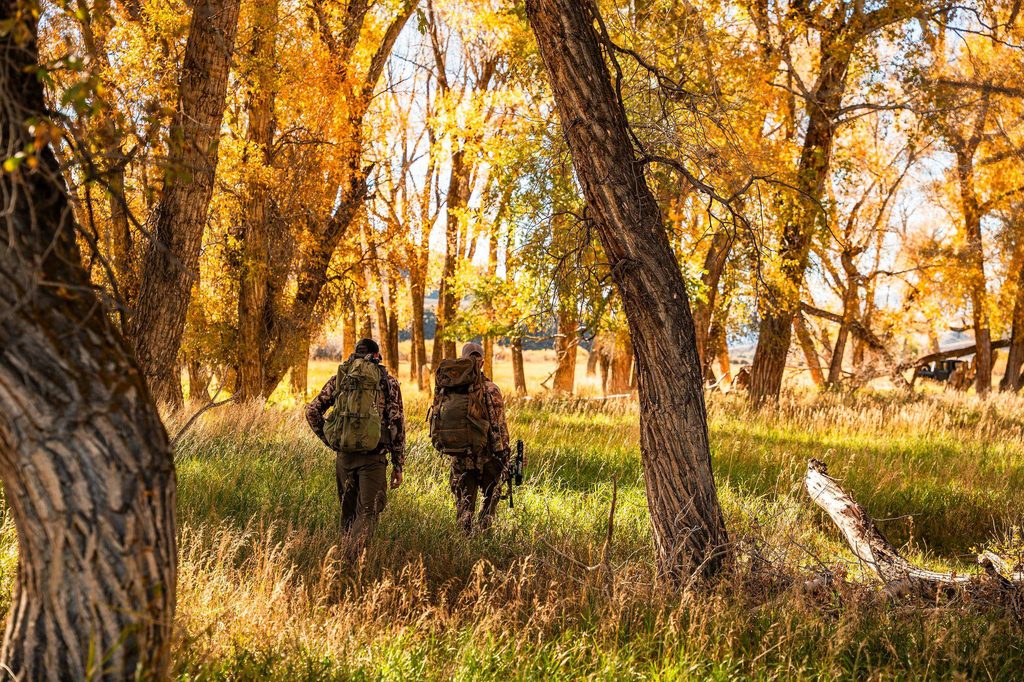
This September, I spent my archery elk season in one of Colorado’s renowned Wilderness areas. Somewhere between the long days covering ground, glassing open parks, and listening for bugles in the dark timber, I kept thinking about how fortunate we are to have country like this open to hunters with a tag in their pocket and the willingness to put in the work.
Most of our working days are spent traversing ranches with buyers, sellers and landowners across Colorado. Wildlife comes up in almost every conversation: the elk that winter on the place, the water that holds trout or waters wildlife, the sporting opportunities that give a ranch both intrinsic and investment value and recent threats to losing the opportunity to hunt. So, when Amendment 83 landed on this November’s ballot, we were excited for what it may hold in our home state.
What Amendment 83 Does
Amendment 83 would put a right to hunt, fish, and harvest wildlife by traditional methods into the Colorado Constitution. It would also make hunting and fishing the state’s preferred way to manage wildlife populations. You can read the full measure and the state’s nonpartisan ballot analysis from the Colorado Legislative Council.
The amendment has limits. It covers species the state manages, not endangered species or anything federal law prohibits hunting. The state keeps its authority to regulate for sound science, public safety, and the future of hunting and fishing. Licenses, tags, seasons, and bag limits will continue to be managed how they currently are under Colorado Parks and Wildlife purview.
Why It Matters Now
Hunting and fishing are legal today. The question is who decides whether they stay that way. Increasingly, wildlife policy in Colorado is being written by ballot campaigns instead of the biologists who manage the herds.
We’ve seen what ballot box biology looks like. In 2020, Proposition 114 directed the state to reintroduce gray wolves west of the Continental Divide. It passed 50.9% to 49.1%, by about 57,000 votes, and carried only 13 of Colorado’s 64 counties. Most of the yes votes came from the Front Range, hundreds of miles from where the wolves would be released. In our view, the average voter was not given a clear picture of what the proposition’s passage would mean on the ground: livestock losses, the cost of compensation and conflict prevention, the strain on the ranchers and rural communities who were forced to live alongside wolves, and the true cost of the program- dollars which should have been put towards things like schools and roads.
Perhaps most overlooked was the wolf itself. Much of western Colorado is a patchwork of highways, subdivisions, ranches, and private land, fragmented habitat that can’t support the large, connected range wolves naturally depend on. The wolf has proved to be the real loser in the reintroduction. By 2025, compensation payments to ranchers for wolf depredation topped $1.07 million, well beyond the fund set aside for them. Since April 2026 alone, CPW, the same agency charged with restoring wolves, has had to lethally remove five of them for repeatedly killing livestock, before suspending that policy at the end of September over concerns about the population’s survival. Frankly, it seems like the most lethal threat to wolves is the program that was designed to introduce them- according to state tracking as of June 2026, 15 of the original 25 introduced wolves have been killed or lethally removed 1. For those of you that are doing the math, that’s a 60% mortality rate on the originally introduced population. But the state was planning on it: in the 2023 plan, the state mandated that observatory protocols and potential suspension wouldn’t kick in until there was a 70% mortality rate! Kinda makes you scratch your head a bit, doesn’t it? For comparison, mortality rates in Colorado for these reintroduced wolves are higher in comparison than those released in the Greater Yellowstone and Central Idaho areas 2. But the focus of this Field Note isn’t the successes or failures of wolf reintroduction.
The threat to hunting pattern has continued since. In 2024, Proposition 127 asked voters to ban mountain lion and bobcat hunting, and Denver voters were asked to ban fur sales in the city. Both failed. It is well recognized that these won’t be the final attempts to undermine the state’s sporting traditions and wildlife management.
With that in mind, consider where things stand. Colorado protects science-based wildlife management in statute (C.R.S. § 33-1-101), but the legislature can and does rewrite statutes, and a well-organized ballot measure can overturn one. A constitutional right sets a foundation that can’t be chipped away one season, method, or species at a time.
A Message to the Critics
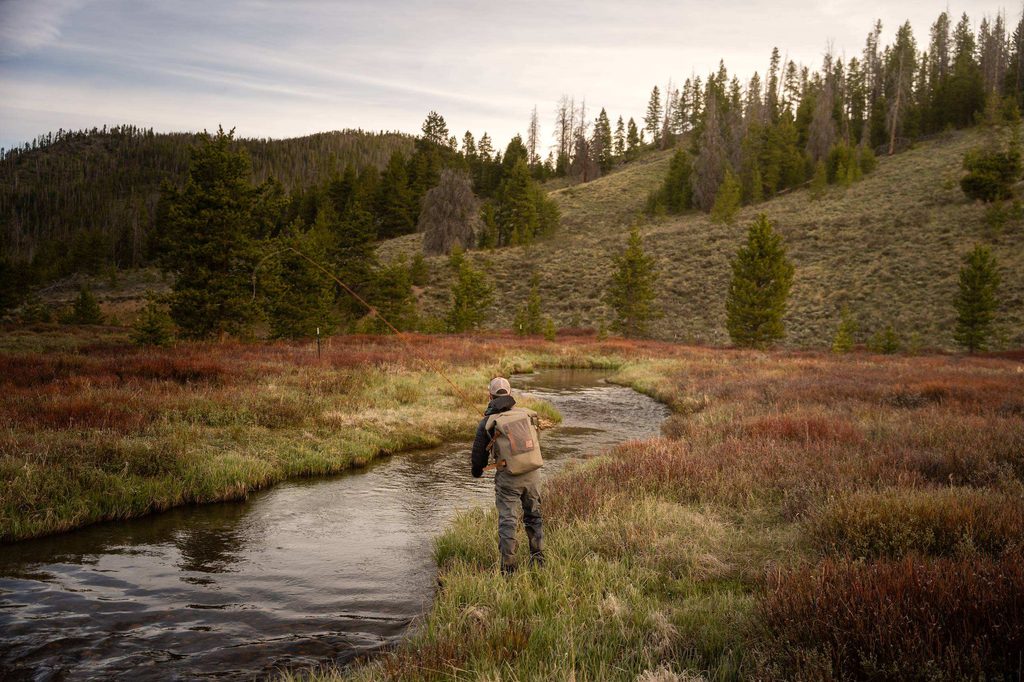
Opponents often say “traditional methods” is too vague and that naming hunting as the preferred management tool will tie the hands of wildlife professionals. Those are fair concerns to raise; however, we disagree. Supporters define traditional methods as how Coloradans legally hunt and fish today: firearms, archery, rod and reel. The amendment doesn’t revive banned practices, and the 1996 constitutional ban on certain types of traps (Amendment 14) remains in effect. “Preferred means” doesn’t require hunting in every case. It asks that hunting and fishing be considered first for harvestable species, and CPW keeps discretion where hunting isn’t safe or practical.
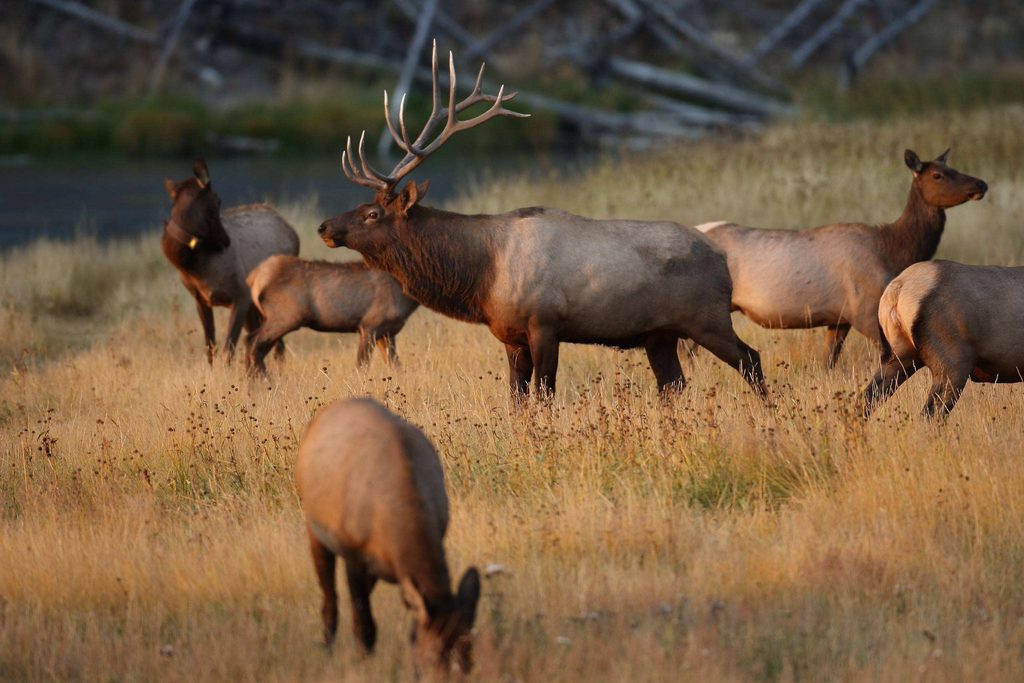
This approach comes directly from the North American Model of Wildlife Conservation, widely regarded as the most successful wildlife conservation system in the world. Wildlife belongs to the public trust, with professionals managing the resource using a scientific approach. The people who use it help pay for it, and many others simply enjoy it at little to no expense. A century ago, elk, pronghorn, deer, moose, bighorn sheep and wild turkey were scarce across much of the West. Under this model they’ve come back strong, and Colorado now sustains the largest elk herd in the country.
Regulated hunting and fishing are the backbone of that system. Since 1937, the Pittman-Robertson Act has placed a federal excise tax on firearms, ammunition, and archery equipment, a tax that hunters themselves supported, and returned that money to the states for wildlife restoration, habitat, and hunter education. Its sister law, the Dingell-Johnson Act, does the same for fishing gear and fisheries. In fiscal year 2025, Colorado received nearly $25 million in Pittman-Robertson funds alone. Putting hunting and fishing in the Constitution doesn’t sideline biologists; it protects the system they already rely on. More than 20 states have done the same, and hunting and fishing are still carefully regulated in those places.
Why Hunting and Fishing, and Not Hiking, Biking or Skiing?
Here is a question I’ve heard often and it’s a fair question: why should hunting and fishing get constitutional protection and not hiking, mountain biking, skiing, or rafting?
Because hunting and fishing aren’t only recreation. They’re how the state manages wildlife. When CPW needs to bring an elk herd in line with its winter range conditions, cut down on game damage to a hay meadow, or keep a fishery healthy, it does it through licensed hunters and anglers. A ski day or scenic hike, unfortunately, doesn’t do that job.
Hiking, biking and skiing also isn’t under threat by state government like hunting is. The management tool and thoughtful tradition of hunting is what continues to be targeted. Nobody I know of is collecting signatures to ban snow skiing. Hunters and anglers face these campaigns regularly and we pay for it. Licenses and federal excise taxes on firearms, ammunition, and fishing gear fund the habitat, research, and public access every outdoor user benefit from. The hiker who spots a bighorn ram or the birder watching sandhill cranes in the San Luis Valley is enjoying conservation results that hunters and anglers largely paid for.
Wildlife is also already in the Colorado Constitution. Voters put the trap ban there in 1996, and the Constitution covers limited gaming and recreational marijuana too.
What’s at Stake for Rural Colorado
Being blessed to work in this industry, we get to spend many of our days in rural areas of the state that aren’t always a stop for a sightseeing tourist. We recently sold a ranch where elk and deer hunting was an important part of how the operation penciled out. The owners monetized their hunting, and that revenue helped offset other operating expenses on the ranch.
On other ranches we’ve worked for, hunting is a management tool as much as an income source. Steady hunting pressure keeps elk and deer on the move and out of hay meadows and from becoming potentially mortally wounded in fences, protecting the feed and infrastructure that these operations depend on.
Either way, for many of the landowners we are privileged to work with, wildlife management is integral to the operation, and it has a direct impact on the value of the land. Healthy, well-managed herds are often a major draw for buyers seeking a property in the first place.
Colorado has programs built around that relationship. Through CPW’s Landowner Preference Program, owners of at least 160 contiguous acres of agricultural land can receive big game hunting license vouchers, which they can use, transfer, or sell. The program gives landowners an incentive to open their land to hunting and reduce wildlife damage, and it takes some pressure off public hunting areas.
When wildlife does cause damage, CPW’s Game Damage Program steps up. This program provides prevention materials like elk panels and stackyard fencing, and it compensates ranchers, farmers, and landowners for wildlife damage to crops and agricultural property. The program is paid for with hunting and fishing license revenue. Remove hunting from the equation, and both the management tool and the money that compensates producers go with it.
The economic impact goes well past license fees. A 2026 Common Sense Institute study found hunting and fishing generate $6.1 billion a year in Colorado and support about 25,000 jobs, and the Colorado Wildlife Council reports the impact reaches all 64 counties. Most of that money is spent on fuel, groceries, motel rooms, meals, guides and outfitters, meat processing, and the local sporting goods store.
Hunting and fishing also fill gaps in rural economies. Anglers bring visitors from spring runoff through fall, and hunting season brings visitors to towns like Alamosa, Meeker, Craig, Walden, and Rangely in the fall, after summer tourists leave and before winter. These towns don’t have a ski area to fall back on. Roughly half of hunting and fishing spending comes from out-of-state hunters, so much of it is new money for the state.
For all of these reasons and more, we feel that the right to hunt and fish is worth protecting.
How to Vote
Amendment 83 is a constitutional amendment, so it needs 55% to pass. Ballots were sent out in early October, and Election Day is Tuesday, November 3rd. Check your registration, return your ballot early, and open the dialogue with your hunting partners, non-hunter or angler neighbors and friends about the amendment.
Want to do more? HOWL For Wildlife has put together an Amendment 83 supporter resource page where you can find a yard sign pickup location near you, check or update your voter registration, and download or create shareable graphics for social media. For the latest campaign news, visit YesOn83CO.org.
Coloradans for Responsible Wildlife Management also offers an excellent breakdown of the amendment, with answers to common questions.
The team at Confluence Land Company looks forward to seeing you in the hills after the voting booth this fall. Vote Yes on Amendment 83.
1 Source: Tracy Ross, “Colorado to stop killing wolves amid worries over falling population, parasites and low pup counts,” The Colorado Sun (September 30, 2026)